Pitch Count Rules for Youth Pitchers: What Georgia and South Carolina Actually Require
Kenny Flermoen · Founder & Academy Director, Mind Game Baseball Academy · 9 min read
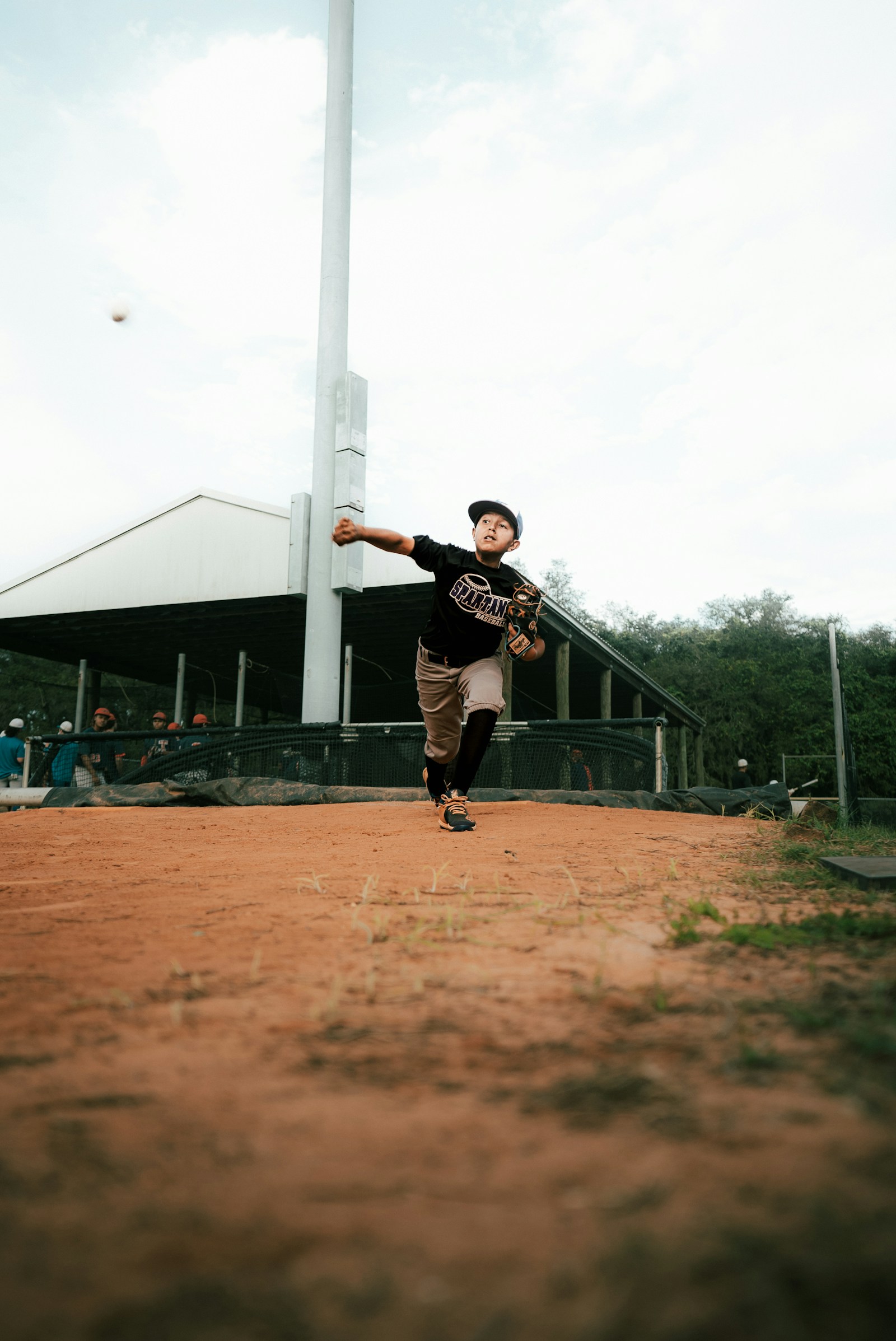
Youth pitch count rules depend on level, not just age. Younger players in rec ball and travel ball around the CSRA generally follow Pitch Smart guidelines through organizations like Little League, while high schoolers in Georgia follow GHSA limits and high schoolers in South Carolina follow SCHSL limits. All three systems cap daily pitches and require rest days based on how many pitches were thrown — the numbers just differ by organization.
Here is what each one actually requires, by age and by level. Associations update these charts, so confirm against your league or state association before a tournament weekend. The numbers below match Little League International's published regular-season rules, the 2026–27 GHSA baseball constitution, and the SCHSL pitch count policy.
Youth Pitchers (Rec Ball and Travel Ball): Little League and Pitch Smart Limits
Most CSRA rec leagues and travel organizations use Little League International's pitch count regulations, which mirror MLB's Pitch Smart daily limits. Travel organizations like USSSA and Perfect Game may set their own limits, so check your specific league's rulebook — but Little League's numbers are the standard most families will run into.
Daily pitch limits by league age:
| League Age | Max Pitches Per Day |
|---|---|
| 6–8 | 50 |
| 9–10 | 75 |
| 11–12 | 85 |
| 13–16 | 95 |
A few things parents get wrong about these limits:
- League age isn't calendar age. League age is set as of a fixed date each year, not your child's birthday. A 12-year-old playing up in an older division still throws under their actual league age limit, not the division's typical age.
- Warmup pitches don't count. The limit applies to pitches thrown in the game — balls, strikes, fouls, and balls in play. Bullpen and inning-break warmups are separate.
- The count doesn't reset mid-game. It is cumulative for the entire day. If a pitcher throws in two games on the same calendar day, both totals combine into a single daily count.
- There is a finish-the-batter exception. A pitcher who hits their limit mid-at-bat can finish that batter, but must come out the moment the at-bat ends.
Rest day requirements scale with how many pitches were thrown, not just whether a daily max was hit. Rest days are calendar days, not game days — a pitcher who throws 66 or more pitches on a Monday (four days of rest for ages 14 and under) is not eligible again until Saturday, even if the team plays Tuesday and Thursday.
League age 14 and under:
| Pitches Thrown | Required Rest |
|---|---|
| 1–20 | 0 days |
| 21–35 | 1 calendar day |
| 36–50 | 2 calendar days |
| 51–65 | 3 calendar days |
| 66+ | 4 calendar days |
League age 15–16:
| Pitches Thrown | Required Rest |
|---|---|
| 1–30 | 0 days |
| 31–45 | 1 calendar day |
| 46–60 | 2 calendar days |
| 61–75 | 3 calendar days |
| 76+ | 4 calendar days |
Little League also does not allow a player to pitch on three consecutive days, regardless of how low the counts were. Local leagues can set stricter limits than International's minimums. They are not allowed to set looser ones.
If throwing mechanics are the other half of arm care — not just volume — start with how to teach a kid to throw correctly.
Georgia High School Pitch Count Rules (GHSA)
Once a player reaches high school in Georgia, pitch counts fall under the Georgia High School Association. These are the 2026–27 regular-season numbers.
- Maximum pitches per day: 110 varsity, 90 sub-varsity, with a finish-the-batter exception once the limit is reached mid-at-bat.
- Two-day cap: a pitcher may not throw more than 110 pitches (90 sub-varsity) cumulative over two days, and may not pitch more than two consecutive days.
- Rest requirements (varsity):
- 1–40 pitches: 0 days
- 41–60 pitches: 1 day
- 61–85 pitches: 2 days
- 86–110 pitches: 3 days
- Rest requirements (sub-varsity):
- 1–30 pitches: 0 days
- 31–44 pitches: 1 day
- 45–64 pitches: 2 days
- 65–90 pitches: 3 days
- State tournament series limit: no more than 120 pitches across a three-game series. The regular-season rest chart does not apply in the state tournament.
- Tracking: each team tracks its own pitch counts. Head coaches meet after the game to agree on the numbers, and the home team's head coach enters them into GHSA's PitchKount system. Pitches in a suspended or rained-out game still count. GHSA limits apply even in games against non-GHSA opponents.
A "day of rest" is a calendar day. A varsity pitcher who hits 110 on a Tuesday is not eligible again until Saturday.
Georgia's rule carries real consequences: a $250 fine, a two-game head-coach suspension, and forfeiture of the game. A second violation in the same season doubles the penalties. Pitch counts at the high school level in Georgia are tracked far more formally than most rec or travel programs.
Columbia County and Augusta families preparing pitchers for GHSA programs can start with pitching lessons in Evans or pitching lessons in Augusta.
South Carolina High School Pitch Count Rules (SCHSL)
In South Carolina, pitch counts fall under the South Carolina High School League. Limits are per day, not per game, and they are enforced at the level the athlete is pitching.
| Level | Max / Day | 0 Days Rest | 1 Day | 2 Days | 3 Days | 4 Days | 5 Days |
|---|---|---|---|---|---|---|---|
| Sub-varsity | 75 | 0–30 | 31–45 | 46–60 | 61–75 | — | — |
| Varsity | 110 | 0–30 | 31–45 | 46–60 | 61–75 | 76–90 | 91–110 |
- Finish-the-batter exception applies at 110 varsity, 75 sub-varsity, and 75 on a second consecutive day.
- 7th and 8th graders cannot exceed the sub-varsity 75-pitch cap, regardless of what level they are pitching at.
- Consecutive-day pitching: a pitcher who throws on a second consecutive day is capped at 75 pitches that day, even if they only threw one pitch the day before. Consecutive-day appearances also require at least one rest day afterward. Cumulative pitches across those two days set any additional rest. Example: 20 pitches on Tuesday and 30 on Wednesday (50 combined) requires two rest days. Example: 10 on Monday and 15 on Tuesday (25 combined) still cannot pitch Wednesday — eligible again Thursday.
- Pitcher-to-catcher: a player who has pitched may not move to catcher in the same game or day. That is stricter than Little League's 41-pitch threshold.
- Violations: the pitcher is treated as an ineligible player. The game is forfeited, and the school is fined under the SCHSL handbook.
Georgia and South Carolina's high school systems land in a similar place — a 110-pitch varsity ceiling with tiered rest — but the exact thresholds and how consecutive-day pitching is handled differ enough that a rule of thumb from one state does not transfer to the other. If your player moves between the two, or plays travel ball across the state line during the school season, know both.
North Augusta and Aiken pitchers heading toward SCHSL programs: pitching lessons in North Augusta and pitching lessons in Aiken.
Why We Build Pitch Counts Into Every Pitching Session at MGBA
Rules protect against overuse in games, but arm care starts well before game day. At Mind Game Baseball Academy, every pitcher we work with has throwing volume tracked across lessons, not just games — because the leading cause of overuse injury in youth pitchers is not one bad outing. It is cumulative volume that never gets added up across practices, lessons, and multiple teams.
That is also how burnout shows up on the mound: year-round throwing with no one totaling the week. All pitching development at MGBA is coach-led, during designated windows, specifically so a player's actual weekly workload stays visible instead of guessed at. The mental side of pitching gets coached in those same sessions — command and composure do not help if the arm is cooked by June.
Book a pitching lesson if you want that workload visible, not assumed.
Frequently Asked Questions
How many pitches should a 10-year-old throw in one game? Under Little League's guidelines, a 9–10-year-old is capped at 75 pitches per day. Most coaches aim well under that number, since game limits are a ceiling, not a target.
Do bullpen and warmup pitches count toward the limit? No. Pitch count limits apply to pitches thrown in the actual game. Warmups between innings and pre-game bullpens are tracked separately, if at all — which is one reason lesson and practice volume still has to be managed on top of the game count.
What happens if a pitcher exceeds the limit? At the youth level, a pitcher must be removed once they hit their limit, aside from the finish-the-batter exception. At the high school level in Georgia, a GHSA violation is a $250 fine, a two-game coach suspension, and a forfeit. In South Carolina, SCHSL treats the pitcher as ineligible: the game is forfeited and the school is fined.
Are travel ball pitch count rules the same as Little League's? Not necessarily. Organizations like USSSA and Perfect Game set their own limits, which can differ from Pitch Smart guidelines. Always check your specific tournament or league's rulebook rather than assuming Little League numbers apply.
Can a pitcher play catcher after pitching? Under Little League rules, a pitcher who throws 41 or more pitches in a game cannot move to catcher that same day. Under SCHSL, a player who has pitched at all may not catch in the same game or day. The restriction exists because catching adds significant additional throwing volume on top of an already-worked arm.
If you want pitching instruction that treats arm care as part of the session — not an afterthought — browse MGBA coaches or book a lesson. Start from North Augusta, Aiken, Evans, or Augusta.
About the author
Related posts