
12 Baseball Hitting Drills That Actually Work at Every Age
Kenny Flermoen · Founder & Academy Director, Mind Game Baseball Academy · 14 min read
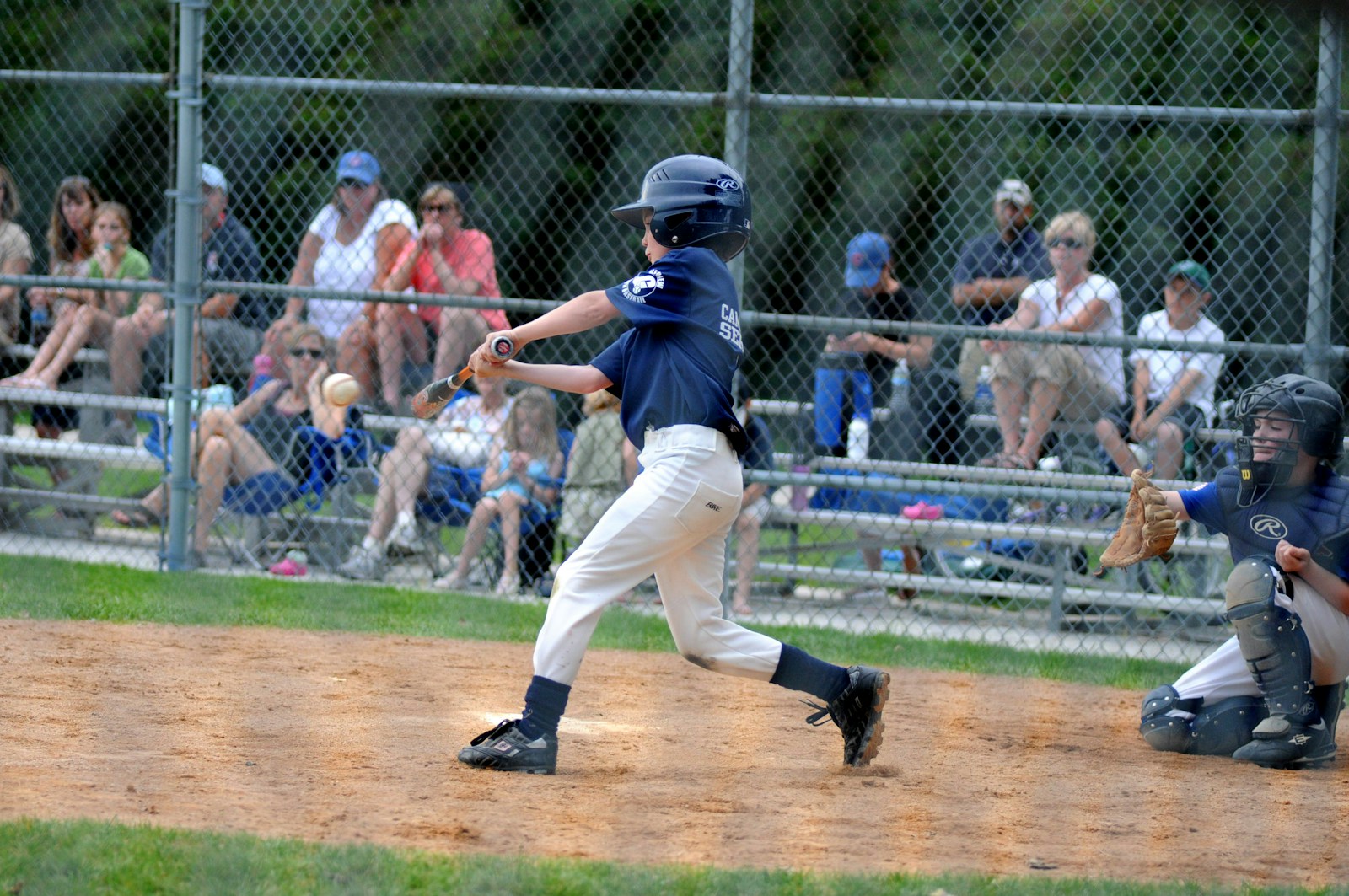
There is no shortage of hitting drills on the internet. What is hard to find is a clear answer to a simple question: which ones actually work, and what do they fix?
After 21+ years of coaching hitters from tee-ball through Division I, I have run thousands of players through hundreds of drills. Most drills fall into one of two categories: drills that produce real mechanical change and drills that keep players busy. This list is the first category only.
Every drill below has a specific purpose, a setup, a coaching cue, and a note on what age and skill level it is appropriate for. Run them in practice, run them at home, or use them to supplement what your player is working on in lessons. Either way, know what you are trying to fix before you start swinging.
A Note Before You Start
A drill without a purpose is just reps. Reps without intention do not produce development. Before you run any drill, answer two questions: what specific flaw or skill is this drill targeting, and how will you know if it is working?
Every drill on this list answers both of those questions. Use that information before you set up the tee or start tossing.
The 12 Drills
Drill 1: Tee Work — Middle-Middle
What it fixes: Swing path, contact consistency, barrel control
Setup: Tee set at thigh-to-waist height, middle of the plate. Hit into a net or open field. Minimum 20 swings per session.
How to run it: This is the most underrated drill in hitting development. Most players rush past tee work because it feels basic. It is not basic. It is the foundation every other drill builds on. The tee does not move, which means every miss is mechanical, not timing. There is nowhere to hide bad habits on a stationary tee.
Hit line drives. Every swing. If the ball goes up, the barrel went under it. If it goes to the ground, the barrel came over it. The tee gives you immediate, honest feedback on every rep.
Coaching cue: "Drive through the ball, not at it."
Age range: All ages. This drill never stops being useful.
Drill 2: Tee Work — Inside and Outside
What it fixes: Pitch location adjustment, hip-hand sequencing, opposite field contact
Setup: Move the tee to three positions across a single session: inside corner (out front), middle, and outside corner (deep in the zone). Ten swings at each location.
How to run it: Most players only practice tee work from the middle. That trains one swing for one pitch location. Baseball pitchers throw to all four quadrants of the zone. This drill trains the hitter's body to adjust the contact point and swing path based on where the pitch is.
Inside tee: contact point is out front, hips fire early, pull the ball. Outside tee: contact point is deeper, hips stay closed longer, drive to the opposite field. Middle tee: everything in between.
Do not let players cheat the outside pitch by rolling over it. Demand extension through the ball and contact to the opposite field gap.
Coaching cue: "Let the ball tell you where to hit it."
Age range: 9 and up.
Drill 3: Soft Toss — Standard
What it fixes: Timing, bat path, hand-eye coordination
Setup: Feeder kneels or sits 5 to 8 feet to the side of the hitter at a 45-degree angle. Tosses underhand to the hitting zone. Hitter takes full swings into a net.
How to run it: Soft toss is the bridge between tee work and live pitching. The ball moves, which introduces timing, but the speed and location are controlled, which keeps the focus on mechanics rather than reaction.
Feed the ball consistently. If the toss is bad, do not swing. A bad toss trains bad habits. The hitter should call off bad tosses before they swing at them, which also builds pitch recognition habits.
Coaching cue: "See it, then swing. Not swing, then see it."
Age range: All ages.
Drill 4: One-Handed Bottom Hand Drill
What it fixes: Casting, long swing path, barrel drag
Setup: Tee or soft toss. Hitter holds the bat with the bottom hand only (left hand for right-handed hitters). Takes 10 to 15 swings bottom hand only, then 10 to 15 with both hands.
How to run it: This drill isolates the lead arm and exposes casting immediately. When a player casts with two hands, the top hand can compensate and make contact anyway. With the bottom hand only, there is no compensation. The barrel either stays inside or the swing produces nothing.
After the one-handed phase, go directly into two-handed swings. The player's body will feel the difference between the short path they just trained and the cast they have been using. The goal is to carry that feel into the full swing.
Coaching cue: "Elbow leads, barrel follows."
Age range: 8 and up.
Drill 5: One-Handed Top Hand Drill
What it fixes: Extension through contact, weak contact to the opposite field, roll-over grounders
Setup: Same as the bottom hand drill but with the top hand only (right hand for right-handed hitters). Tee or soft toss, 10 to 15 swings.
How to run it: The top hand drill trains extension and palm-up contact through the zone. Most players who roll over pitches and hit weak grounders to the pull side are closing the top hand too early. This drill forces extension because without the lead arm supporting the swing, the hitter has to drive through the ball to make contact at all.
Pair this drill with the bottom hand drill in the same session for a complete one-handed sequence before moving to full swings.
Coaching cue: "Palm up through contact. Stay through the ball."
Age range: 10 and up.
Drill 6: The Fence Drill
What it fixes: Front shoulder pull, early rotation, casting on the outer half
Setup: Hitter sets up 6 to 8 inches from a chain link fence or hitting net, front shoulder facing it. Takes dry swings or soft toss without making contact with the fence.
How to run it: The fence is a physical constraint that does the coaching for you. If the front shoulder flies open early, the bat hits the fence. The hitter feels the error immediately without you having to say a word.
Start with dry swings to get comfortable with the constraint, then add soft toss. The hitter will automatically adjust their shoulder turn to stay inside the fence, which is the exact mechanical correction you are after.
Do not rush this drill. Five to ten minutes of fence work at the start of a session is more valuable than 50 swings into a net with an open shoulder.
Coaching cue: "Stay closed. Let the ball come to you."
Age range: 10 and up.
Drill 7: Stride Elimination Drill
What it fixes: Overstriding, weight transfer issues, early commitment
Setup: Hitter sets their feet in the fully strided position before the pitch, no stride taken during the swing. Tee work or soft toss, 15 to 20 swings.
How to run it: Set the hitter's feet where they would normally land after a stride, then have them swing from that position only. No load, no stride. Feet stay planted.
This drill forces the player to generate power entirely from hip rotation. It is uncomfortable at first, especially for players who rely on stride momentum. That discomfort is the point. Once a hitter learns to rotate powerfully from a set position, they stop needing a long stride for power. The stride becomes a timing mechanism rather than a power source, which is exactly what it should be.
After the no-stride phase, add a small 3-to-4-inch soft stride back in and note whether the power holds.
Coaching cue: "Your hips are the engine. The stride is just the ignition."
Age range: 10 and up.
Drill 8: Hip Isolation Drill
What it fixes: Spinning, lack of hip-hand separation, late bat speed
Setup: Hitter holds the bat at the launch position and does not move it. Focus is entirely on firing the hips toward the pitcher, then stopping. No hands, no bat movement. 10 to 15 reps.
How to run it: This drill teaches the kinetic chain from the ground up. The hips fire first. The hands follow. Most young players rotate everything at once because they have never been trained to feel the separation between lower and upper half.
Do this drill without swinging first. Just hips. Then add the hands lagging behind the hip turn. Then take that feeling into full swings immediately after.
This is one of the more advanced drills on this list. It requires body awareness that most players under 11 or 12 do not yet have. Do not force it before the player is ready. But for 13 and up, this drill is one of the highest-return investments in a development session.
Coaching cue: "Hips then hands. Always hips then hands."
Age range: 12 and up.
Drill 9: Pause-and-Fire Tee Work
What it fixes: Spinning, hip-hand separation, early extension
Setup: Standard tee at middle height. Hitter loads to the launch position, pauses for one full second, then fires the hips and swings. 15 to 20 swings.
How to run it: The pause breaks the tendency to spin by interrupting the continuous rotation. When the hitter stops at the top of the load, they have to consciously decide what moves first. That decision, made intentionally 15 to 20 times in a session, begins to rewire the sequence.
Coach the pause firmly. If the hitter pauses for half a second and rushes into the swing, the drill does not accomplish anything. The pause should be long enough to feel awkward. That awkwardness is the separation being created.
Coaching cue: "Load and hold. Then hips. Then hands."
Age range: 12 and up. Best used in combination with the hip isolation drill.
Drill 10: High Tee Drill
What it fixes: Drop shoulder, uppercut swing path, pop-ups on elevated pitches
Setup: Tee set at the top of the strike zone, letters to armpits. Hitter takes 15 to 20 swings demanding line drives or hard grounders, not fly balls.
How to run it: Players who drop the back shoulder and uppercut will pop up almost everything on a high tee. That immediate feedback is the teaching tool. Do not let the hitter accept pop-ups as contact. Demand that the ball stay down.
Pair verbal instruction with this drill: the goal is not launch angle, it is a flat-to-slightly-downward plane through the top of the zone. Line drives and hard grounders on high pitches mean the barrel is staying through the ball rather than going under it.
This drill is particularly effective before a pitching machine session. Set the machine to throw strikes at the top of the zone and carry the same swing intention from the tee into live reps.
Coaching cue: "Stay on top. Drive it through, not under it."
Age range: 12 and up.
Drill 11: Opposite Field Soft Toss
What it fixes: Front shoulder pull, pull-side obsession, pitch location discipline
Setup: Standard soft toss setup. Hitter's only job is to drive every ball to the opposite field gap. 20 swings.
How to run it: Tell the hitter before the drill starts: every ball goes to the opposite field. No exceptions. If they pull it, it does not count.
This drill forces the front shoulder to stay closed longer and trains the hitter to let the ball travel deeper in the zone before committing to contact. The mechanical correction for pulling is letting the ball get deep. Opposite field toss is the fastest way to teach that feel.
After the drill, go into regular soft toss and watch what the front shoulder does. For most pull-heavy hitters, even one session of opposite field work produces a measurable change in shoulder timing.
Coaching cue: "Let it travel. Hit it where it's pitched."
Age range: 9 and up.
Drill 12: Short Bat or Whiffle Ball Bat Drill
What it fixes: Hand-eye coordination, pitch recognition, reaction time
Setup: Use a short training bat, a Wiffle bat, or a bat significantly lighter and shorter than the player's game bat. Standard soft toss or live front toss at moderate speed. 15 to 20 swings.
How to run it: A smaller bat demands more precise contact. There is less margin for error, which accelerates hand-eye coordination development faster than standard soft toss with a full-size bat. Players who make consistent contact with a short or narrow bat transfer that precision to their game bat.
This drill is also one of the most effective for younger players who are just developing contact skills. The success rate is lower at first, which some players find frustrating. Coach through that frustration: "Missing with a short bat means you are learning. Missing with your game bat means you have a problem."
Coaching cue: "Barrel to the ball. Nothing else matters right now."
Age range: All ages. Scale the bat size and toss speed to the player's age and skill level.
How to Build a Practice Session From These Drills
A complete hitting session does not use all 12 drills. Pick two or three drills that target the specific flaw your player is working on and build your session around those.
A sample 30-minute session for a player working on casting and front shoulder pull:
- 5 minutes: Tee work, middle-middle (warm up, establish barrel path)
- 10 minutes: One-handed bottom hand drill (isolate the casting pattern, feel the short path)
- 10 minutes: Fence drill with soft toss (train the shoulder to stay closed)
- 5 minutes: Full swings, soft toss (carry the corrections into a live rep)
That is it. Four drills, one clear purpose, 30 minutes. Focused practice like this produces more change in a week than three hours of random cage swings.
When Drills Are Not Enough
Drills are most effective when they are paired with a qualified eye. A player can run the fence drill incorrectly and groove a new problem. A parent can run soft toss without knowing what to look for and miss the flaw entirely.
If your player has been working on a mechanical issue for more than three or four weeks without measurable improvement, the drill is not the problem. The evaluation is. Bring in a professional to identify exactly what the flaw is and prescribe the right drill sequence for that specific player.
Book a hitting evaluation with an MGBA-approved coach and get a drill plan built specifically for your player, not a generic list pulled from the internet.
Frequently Asked Questions
How many swings should a youth player take per day? Quality over quantity is the standard I apply at every age. For players 8 to 12, 50 to 75 intentional swings per session is plenty. For players 13 and up working on a specific mechanical correction, 75 to 100 focused swings per session is appropriate. More swings with bad mechanics just groove the flaw deeper.
What is the best hitting drill for a beginner? Tee work from the middle of the plate, every time. It is the most honest feedback tool in baseball. A beginner who can consistently hit line drives off a stationary tee has a foundation to build on. A beginner who cannot hit a stationary ball well has a mechanics problem that live pitching will only make worse.
Can these drills be done without a pitching machine or partner? Yes. Tee work, the fence drill, the stride elimination drill, and the hip isolation drill all require no partner. The one-handed drills and soft toss drills require a feeder, but a parent can run those with minimal instruction. A tennis ball and a garden fence work fine for soft toss if you do not have a net.
How long does it take for a drill to produce results in games? For younger players working on basic mechanics, two to three weeks of consistent drill work will show up in games. For older players rewiring a deeply grooved flaw, four to six weeks is more realistic. The key word in both cases is consistent. Three sessions a week is the minimum threshold for meaningful change.
Kenny Flermoen is the Founder and Academy Director of Mind Game Baseball Academy, based in North Augusta, SC. He brings 21+ years of coaching experience from tee-ball through Division I, a B.S. in Sports Management, and a Master's degree in Coaching and Athletic Administration from Concordia University-Irvine.
About the author

Related posts