How Old Are Augusta GreenJackets Players — And What That Means for Your Kid
Kenny Flermoen · Academy Director, Mind Game Baseball Academy · 4 min read
If you have been to a game at SRP Park, you have probably watched a 20-year-old throw 96 miles an hour and wondered — how does a person get there?
It is a reasonable question. The Augusta GreenJackets are Single-A, the entry point of professional baseball. The players on that roster are young — typically 18 to 22 years old, most of them in their first or second year of professional ball. Some were drafted out of high school. Most came through college programs. All of them got there because someone, at some point in their development, treated them seriously.
The development math
Here is the number that matters most: the average age of a Single-A player is about 21.
If your child is 12 years old today, they are nine years away from that average. Nine years is an enormous amount of time in player development — more than enough to build the mechanics, the baseball IQ, the physical tools, and the competitive experience that the next level requires.
But those nine years have to be used well.
A player who spends ages 12 to 18 in environments that do not prioritize skill development — where coaching is inconsistent, where mechanics are never corrected, where the only measure of success is the scoreboard — does not arrive at 18 with nine years of development. They arrive with six years of repeated habits, some of them wrong, and three years of potential that was never addressed.
The window is real. The question is what happens inside it.
What the Braves development system prioritizes
The Atlanta Braves — the GreenJackets' MLB parent — are one of the most sophisticated development organizations in professional baseball. Their system is built around a few principles that apply just as well at 12U as they do at Single-A:
Mechanics before results. A player who looks awkward but is building correct habits is more valuable than a player who looks polished but has foundational problems that will limit them at the next level.
Repetition with intention. There is a difference between taking 100 swings and taking 100 intentional swings with a specific mechanical focus. Professional organizations know this. Most youth programs do not practice it.
Mental game as a skill. How a player responds to failure, how they compete when the game is hard, how they carry themselves in the dugout — these are coachable skills. They do not develop by accident.
Position-specific development. A catcher has different demands than a shortstop. A pitcher has different physical requirements than a position player. Professional organizations develop players in ways that account for these differences. Youth development should too.
What this means practically
If your child is serious about baseball — if they want to know what it takes to reach the level they just watched at SRP Park — the answer is not travel ball tournaments. It is not showcases at 13. It is not early specialization before the body is ready.
The answer is intentional development, starting now, with coaches who know what they are doing and operate with a professional standard.
That is what Mind Game Baseball Academy is built for. Lessons with MGBA-approved coaches matched to your community. Camps with structured curriculum. A 2027 league that treats development as the primary goal.
The players on the GreenJackets roster had a version of this. Your kid can too.
Register your interest or book a lesson today. Fall development starts now.
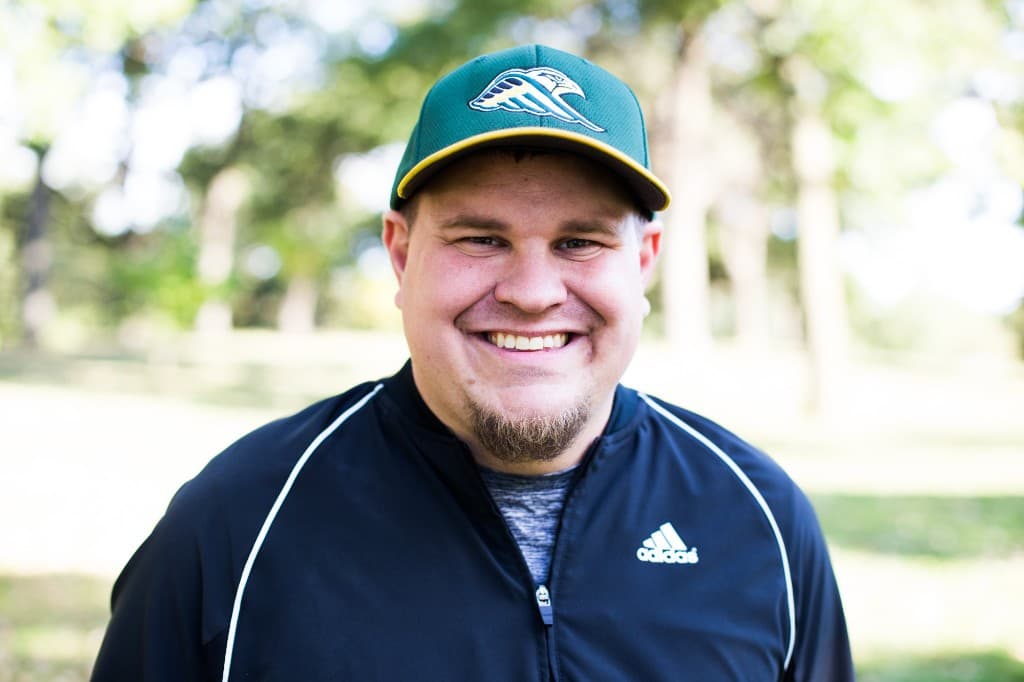
Kenny Flermoen is the founder and Academy Director of Mind Game Baseball Academy, based at 344 Copeland Cir, North Augusta, GA 29860 — home of the Augusta GreenJackets.
About the author
Related posts