
How to Fix a Baseball Swing: The 5 Most Common Flaws by Age
Kenny Flermoen · Founder & Academy Director, Mind Game Baseball Academy · 11 min read
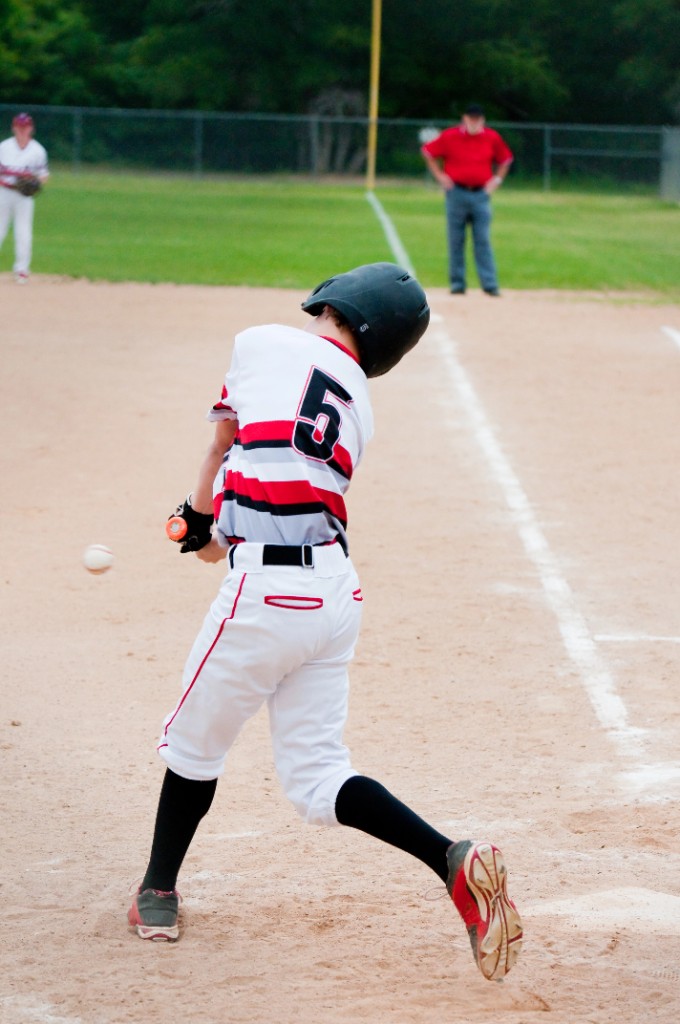
The most common question I get from parents, across 21+ years of coaching at every level, is some version of this: "What is wrong with my kid's swing, and how do we fix it?"
It is the right question. The swing is the most technically demanding skill in baseball, and it is the one most affected by bad habits that develop early and calcify fast. A flaw that is easy to correct at 9 is a major project at 14. A flaw that goes unaddressed at 14 can define a player's ceiling through high school and beyond.
The good news is that most swing problems are predictable. After coaching thousands of at-bats from tee-ball through Division I, the same five flaws show up at the same developmental stages, for the same reasons, every time.
Here is what they are, why they happen, and exactly how to address them.
Why Swing Flaws Develop in the First Place
Before we get to the fixes, it helps to understand the cause. Most youth swing flaws are not random. They develop for one of three reasons:
1. Compensation for a physical limitation. A young player who lacks rotational strength will find another way to get the bat to the ball, usually by casting the hands out or pulling the front shoulder. The mechanics look wrong because the body found a workaround for what it could not yet do athletically.
2. Reinforcement of early habits. Whatever a player does in their first 500 swings tends to stick. If those early swings happen without instruction, in the backyard or at tee-ball practice with a volunteer coach, bad patterns get grooved before anyone corrects them.
3. Misguided coaching cues. Some of the most persistent swing flaws I see in youth players were created by well-meaning coaches giving technically incorrect advice. "Squish the bug," "keep your back elbow up," and "swing down on the ball" are three of the most common, and all three, applied literally, produce mechanical problems that take real work to undo.
Understanding the cause matters because the fix is different depending on the origin.
The 5 Most Common Baseball Swing Flaws by Age
Flaw #1: Casting the Hands (Ages 8–12)
What it looks like: The hitter's hands move away from their body as the swing starts, creating a long, looping path to the ball. The bat head drops and the barrel arrives late. Contact, when it happens, is usually weak and to the opposite field.
Why it develops: Casting is almost always a strength and timing compensation. The young hitter is trying to get the barrel to the ball but does not have the rotational power to do it correctly, so the hands lead the way outward instead of staying inside.
How to fix it:
The fix for casting is teaching the hands to stay inside the ball. The drill I use most consistently is the one-handed inside-toss drill: soft toss from a few feet away, bottom hand only, focused on keeping the elbow connected to the hip through contact. One-handed work isolates the path and makes the casting pattern immediately obvious.
The verbal cue that works best at this age: "Elbows to your belly button first." It is simple, physical, and easy for a young player to self-check.
Casting that goes unaddressed at 8–12 becomes barrel drag and a long swing at the high school level. Fix it early.
Flaw #2: Pulling the Front Shoulder (Ages 10–14)
What it looks like: The hitter's front shoulder flies open before the hands and barrel have cleared the hitting zone. The result is pulled ground balls and pop-ups, an inability to hit the outer half of the plate, and inconsistent contact across pitch locations.
Why it develops: Front shoulder pull is almost always a timing and anxiety response. The hitter is trying to generate power by rotating hard and early. That feels powerful, but it disconnects the upper and lower half and leaves the barrel dragging behind.
It also develops from the "squish the bug" cue. When a young player is coached to fire the back foot hard into the ground, the front shoulder often goes with it.
How to fix it:
Two drills work consistently here. The first is the fence drill: set up a hitter 6–8 inches from a chain link or net fence with the front shoulder facing it, then swing without touching the fence. The constraint forces the front shoulder to stay closed longer. The second is opposite field cage work. Intentionally hitting the ball to the opposite field in a cage setting retrains the barrel path and timing pattern.
The verbal cue: "Let the ball get deep. Hit it where it's pitched." Pair that cue with opposite field work three times a week for two to three weeks and the pattern starts to shift.
Flaw #3: The Happy Gilmore Load (Overstriding) — Ages 10–15
What it looks like: The hitter takes a long, aggressive stride toward the pitcher, shifting weight dramatically forward before the pitch arrives. The result is a head that moves off the ball, poor pitch recognition, and ground balls on offspeed pitches.
Why it develops: Overstriding is a power attempt. The hitter believes a bigger stride means more force. It does not. It means less balance, worse pitch recognition, and a swing that is already committed before the ball is halfway to the plate.
Travel ball environments accelerate this flaw because live pitching creates urgency. The hitter feels rushed and responds by striding early and long.
How to fix it:
The fix is a quiet, controlled load with a short stride, or no stride at all. I work overstriders through a stride elimination phase first: tee work and soft toss with feet already set in the landing position, no stride allowed. This isolates hip rotation and forces the player to generate power from the lower half without the crutch of momentum.
Once the rotation is producing power without the stride, we add a small controlled step back in, 4 to 6 inches maximum.
The verbal cue: "Soft foot, loud hip." The stride foot lands quietly. The power comes from the rotation, not the step.
Flaw #4: Dropping the Back Shoulder / Uppercutting (Ages 12–16)
What it looks like: The back shoulder drops significantly at the start of the swing, creating an extreme upward swing plane. The hitter produces pop-ups on high pitches and swings under almost everything in the zone. Exit velocity is inconsistent.
Why it develops: This one is partly mechanical and partly cultural. The launch angle conversation in professional baseball over the last decade has filtered down to youth travel ball in a distorted form. Young players hear "hit it in the air" and interpret it as "swing up." That is not what launch angle means at the professional level and it is not appropriate mechanics at the youth level.
It also develops from uneven tee positioning — specifically from working on a tee that is consistently set at low-and-away, which trains a downward-then-upward swing path.
How to fix it:
Fix tee position first. Work the tee at middle height and middle-in to train a through-the-ball swing path rather than under it. Then move to high-pitch cage work: set the pitching machine or soft-toss to consistent thigh-to-waist-high pitches and demand line drives up the middle.
The verbal cue: "Stay on top of the ball. Drive through it, not under it." For older players, video is essential here. Most drop-shoulder hitters do not believe the flaw is there until they see it.
Flaw #5: No Hip-Hand Separation / Spinning (Ages 13–17)
What it looks like: The hitter's hips and hands rotate simultaneously and the whole body spins as one unit. There is no sequential firing from lower half to upper half. The result is a mechanical ceiling on bat speed, inconsistent contact on pitches away, and a swing that looks fine in slow motion but produces weak contact in games.
Why it develops: Spinning is the most advanced flaw on this list because it does not become visible until a player is physically strong enough to make contact despite it. Younger players with this issue often look fine against soft, slower pitching. The flaw surfaces when velocity increases and the hitter suddenly cannot catch up to anything on the inner half.
This is also the flaw most often created by "squish the bug" — the cue fires the hips and hands at the same time rather than in sequence.
How to fix it:
Hip-hand separation requires teaching the kinetic chain deliberately. The drill progression I use starts with hip isolation work (hands held at launch position, fire only the hips toward the pitcher), moves to pause-and-fire tee work (load, pause at the top, then fire hips first and let the hands lag behind), then finishes with live batting practice with the specific cue to feel the hands trailing the hips.
This one takes time. The pattern is deeply grooved by the time it shows up in a 14 or 15-year-old. Expect 4–6 weeks of intentional work before it stabilizes in games.
The verbal cue: "Hips then hands. Always hips then hands."
The Pattern Across All Five
If you read through these flaws and noticed that several of them trace back to the same sources — early bad habits, well-meaning but incorrect coaching cues, and physical compensations — that is not an accident. The swing problems that show up most commonly in CSRA youth players are predictable and preventable. They are not talent problems. They are instruction problems.
The player who casts at 8 is not a weak hitter. He is an uninstructed one. The player who spins at 15 was not born that way. Somewhere along the way, the coaching either created the pattern or missed it long enough for it to calcify.
That is the entire premise behind Mind Game Baseball Academy's hitting instruction: evaluate the whole swing, identify the actual flaw, and build a correction plan that is age-appropriate, specific, and measurable. Not the same three drills for every player. Not generic cues that mean different things to different kids. Instruction built around what that player actually needs.
When to Get Professional Help With a Swing
If your player has been working on the same flaw for more than three or four weeks without meaningful improvement, it is time for a professional evaluation. Not because you are doing something wrong, but because some patterns require an outside eye, the right drill progression, and consistent accountability to break.
A single evaluation session with a qualified hitting instructor can identify flaws that have been invisible to everyone watching from the dugout and give you a specific roadmap for addressing them.
Book a hitting lesson with an MGBA-approved coach and find out exactly what is holding your player's swing back. CSRA families can start on baseball in North Augusta SC or baseball in Augusta GA.
Frequently Asked Questions
At what age is it too late to fix a baseball swing? It is never truly too late, but the older the player, the longer the fix takes. Flaws addressed at 9 or 10 resolve in weeks. The same flaw in a 16-year-old who has taken thousands of swings with that pattern may take a full offseason of intentional work. Early instruction is always the better investment.
Can a parent fix their kid's swing at home? Yes, with the right information and the right drills. The five flaws above each include a drill and a verbal cue you can use at home. The risk is reinforcing a correction incorrectly, which can create a new problem. If home work is not producing results within a few weeks, bring in a professional.
What is the single most important thing for a youth hitter to develop first? Balance and a short path to the ball. Everything else — power, bat speed, pitch recognition — builds on top of those two foundations. A hitter with balance and a short path will develop. A hitter without them will have a ceiling they cannot break through regardless of how hard they work.
How often should a youth player take hitting lessons? Once a week is the standard for players who are actively working on a mechanical correction. Between sessions, players should be doing the assigned drills three to four times per week on their own. Lessons without at-home practice do not produce lasting change.
Kenny Flermoen is the Founder and Academy Director of Mind Game Baseball Academy, based in North Augusta, SC. He brings 21+ years of coaching experience from tee-ball through Division I, a B.S. in Sports Management, and a Master's degree in Coaching and Athletic Administration from Concordia University-Irvine.
About the author

Related posts