
Baseball Showcases Near Augusta GA: What to Know Before You Sign Up
Kenny Flermoen · Founder & Academy Director, Mind Game Baseball Academy · 14 min read
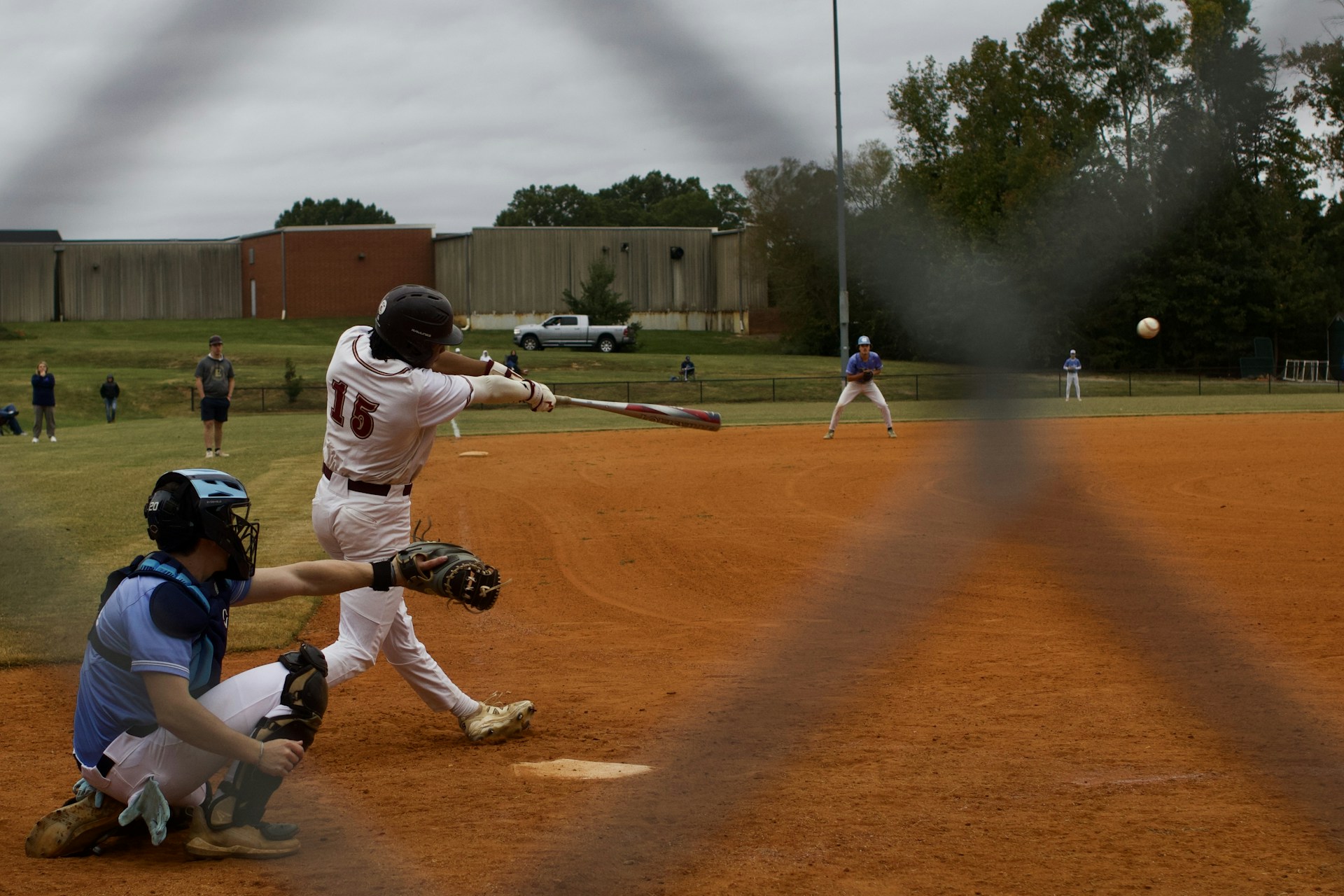
Every summer in the CSRA, families start asking the same question: should my son be at a showcase?
The honest answer is: maybe, and it depends on things most showcase websites will not tell you before they take your registration fee.
Baseball showcases are one of the most misunderstood tools in the youth baseball recruiting process. Done at the right time, with the right preparation, and with the right expectations, they are genuinely useful. Done too early, without prior coach contact, or with the expectation that showing up will get a player discovered, they produce an expensive weekend and a PDF with some measurables that nobody looks at.
This post is what every CSRA baseball family needs to know about the showcase landscape before they write the check. What showcases actually are, which organizations run events in and around Augusta, when a player is actually ready for one, and what to do before and after to make the investment worthwhile.
What a Baseball Showcase Actually Is
A showcase is not a camp. A camp is an instructional environment where players receive coaching. A showcase is an evaluation environment where players perform drills and play in front of college coaches and scouts. The distinction matters because a player who shows up to a showcase expecting instruction will be disappointed, and a player who is not ready to be evaluated will get a result that reflects that unreadiness in a system where coaches can see it.
At a typical baseball showcase, players rotate through a series of stations: the 60-yard dash, infield and outfield defensive drills, live arm evaluations, and batting practice or live at-bats. Each player's measurables are recorded — exit velocity, arm velocity, 60-yard time, and for pitchers, velocity off the mound. Those numbers are tied to a player profile that college coaches at every level can access.
The college coaches in attendance are watching. Not passively, either. They come to showcases with target lists already built from travel team performance, recruiting profiles, and prior outreach. Their job at the showcase is largely to confirm what they already know about players they are interested in, or to add a player to their list based on a standout performance. Athletes usually do not get discovered at showcases — these events are best for athletes who have already started talking to college coaches at their target schools.
That does not mean showcases are useless. It means the outreach has to come first.
The Showcase Organizations Operating Near Augusta GA
The CSRA sits in a geographic position between two active showcase markets — Georgia and South Carolina — which means families have access to events from multiple major organizations without extensive travel.
Perfect Game
Perfect Game is the largest showcase organization in the country by event volume and the most recognized name in the college baseball recruiting ecosystem. PG showcases garner national exposure, social media visibility, and the opportunity to improve your player rankings. Perfect Game events draw college coaches at every division level, and a player profile on the Perfect Game platform is one of the primary tools college coaches use to research prospects.
Perfect Game runs events throughout Georgia and South Carolina at multiple points during the year. The organization holds showcases, tournaments, and combine-style events across different age groups, and their state events in Georgia and South Carolina typically occur within a reasonable drive of the Augusta area. For current event schedules, check perfectgame.org directly, as dates and locations update throughout the season.
USSSA Baseball
USSSA runs the largest youth tournament circuit in the country and also operates showcase events that include college coach exposure components. For CSRA families, USSSA events are frequently accessible through both the Georgia and South Carolina state directors, with the SC-CSRA district specifically running events that serve the North Augusta and Augusta market. USSSA events tend to be more affordable than standalone showcase events and can be accessed through gabaseball.usssa.com and scbaseball.usssa.com.
Prep Baseball Report (PBR)
PBR operates state-level showcases in Georgia and South Carolina and provides one of the better individual measurables profiles in the recruiting landscape. PBR events are typically structured as combines, where players go through a standardized set of measurements and drills, and the results are tied to a permanent player profile that college coaches at all levels can access. For players who have not yet established verified measurables, a PBR event in the Georgia or South Carolina market is a reasonable first showcase choice because it establishes a baseline profile without requiring prior coach relationship.
Regional and Smaller Showcase Operators
Beyond the three major organizations, there are regional showcase operators running events throughout the Southeast that draw smaller but still meaningful concentrations of college coaches. Some of these events are specifically designed for players targeting D2, D3, NAIA, and JUCO programs, which makes them genuinely valuable for families who have done the honest assessment of their player's division-level fit and are pursuing those programs with intention.
The quality of smaller showcase events varies significantly. Before registering for any event outside the major operators, research which specific college programs and coaches have attended in prior years. A coach list for a showcase that includes programs the player is actually interested in is a meaningful data point. A generic claim that "college coaches from all levels will attend" without specific program names is not.
When a Player Is Actually Ready for a Showcase
This is the question most showcase websites will not help you answer honestly, because their revenue depends on registration fees regardless of whether a player is ready.
Here is the honest assessment, broken down by what needs to be true before a showcase is worth attending.
The player has varsity-level experience or equivalent competitive reps. A showcase is a performance evaluation, not a development environment. A player who has not yet performed at a varsity or high-level travel ball level does not have enough competitive experience to perform well in a showcase setting. The pressure of a one-day evaluation in front of college coaches is a significantly different experience than a regular season game, and players who have not built mental and competitive toughness through real game pressure will often underperform relative to their actual ability.
The player has verified measurables worth presenting. Before attending a showcase, a player should have a realistic sense of where their exit velocity, 60-yard time, and arm velocity sit relative to the division level they are targeting. If those measurables are not in the range of the division the player hopes to attract interest from, a showcase will confirm that gap in a permanent, searchable profile rather than driving meaningful recruiting interest. Knowing the target range for the division level and training toward those benchmarks before showcasing is more strategic than finding out at the event itself.
The player has prior outreach to at least some of the coaches who will be present. We covered this in detail in the college recruiting timeline post. College coaches come to showcases with target lists. A player who has emailed specific programs, identified which coaches will be at a given event, and established at least minimal prior contact is positioned to be recognized rather than overlooked. A player with no prior outreach is hoping to be discovered, which is a strategy that rarely produces results at the competitive showcase level.
The player is mentally prepared to perform in an evaluation environment. Showcases are high-pressure events in a way that is distinct from regular game pressure. Every rep is being watched. The measurables are permanent. A player who is prone to significant performance anxiety or who has not developed the pre-pitch routine and mental reset skills we cover in The Mind Game framework will often see a performance at a showcase that does not reflect their actual ability level.
How to Maximize a Showcase in the Augusta Area
Assuming a player is ready, here is how to make the most of a showcase near Augusta or in the broader CSRA market.
Before the Event
Research who will be there. Get a list of the college programs and coaches attending before you register. If none of the programs on the list match the player's target school list, the showcase is not the right event regardless of how close it is or how affordable the registration fee is.
Do the outreach before you show up. Email the specific coaches who will be at the event before the date. Introduce your player, share the highlight video and measurables, express specific interest in that program, and let them know your player will be at the showcase. A coach who has read an email about a player before the showcase arrives sees that player differently than one seeing them for the first time on a drill circuit.
Treat it like a performance, not a practice. The warmup routine matters. The mental preparation matters. A player who arrives at a showcase and goes through the same pre-performance routine they use before every game is a player who has the best chance of producing their best performance. A player who treats it like a tryout they were not sure about will play like it.
During the Event
Run the 60 like it is the only rep you get. Because it is. Coaches time the 60-yard dash once. There is no second chance. Everything in the 30-day preparation window leading up to the event should include timed runs so the experience of being clocked is not novel on the day it matters.
Show The Mind Game. In a field of players with similar measurables, the player who demonstrates situational awareness, who backs up the right base without being told, who communicates on pop-ups, and who resets confidently after a mistake stands out to any coach with a real eye for the game. We cover exactly what coaches are watching for in this area in the high school tryout prep post.
Introduce yourself. After a drill station or between activities, walk up to a coach from a program on your list, extend a hand, and introduce yourself: name, position, grad year, and a brief expression of specific interest in their program. This is not aggressive or inappropriate. It is exactly what coaches expect from players who are serious about the process. The players who do this are remembered. The ones who complete the drills and leave without making any human contact are not.
After the Event
Follow up within 48 hours. Email every coach from a target program who was at the event. Reference something specific from the day, a drill result, a conversation, or a performance detail, and reiterate your interest in their program. The follow-up email is where recruiting relationships either deepen or die. Most players do not send one.
Update the recruiting profile. After a showcase, the measurables from the event will be tied to the player's Perfect Game, PBR, or USSSA profile. Review those numbers, update any other profiles with the new data, and make sure the highlight video connected to the profile reflects current performance.
How Many Showcases Is Enough
This is the question families get wrong more often than any other in the recruiting process. The default assumption in the travel ball market is that more showcases mean more exposure, which means more opportunities. That math is not accurate.
A player who attends six showcases with no prior coach outreach is producing six data points that nobody is looking for. A player who attends two showcases after establishing meaningful prior contact with the coaches attending those events and following up after each one is producing two genuine recruiting conversations.
Quality of engagement matters more than quantity of appearances. For most CSRA players, two to three well-chosen showcases per year, at events where the attending coach list matches the player's genuine target programs, is more effective than a packed showcase calendar built around availability and cost.
The exception is younger players in the 14 to 15-year-old range who are attending their first showcase primarily to establish a measurables baseline and get comfortable with the format. In that case, a PBR combine or a USSSA showcase event in the Georgia or South Carolina market is a reasonable low-pressure introduction to the environment without the expectation of producing immediate recruiting contact.
What MGBA Players Do Before Showcases
At Mind Game Baseball Academy, we help players prepare for showcases specifically, not just generally. That means ensuring the measurables are where they need to be relative to the target division level, building the pre-performance routine that produces consistent results under evaluation pressure, and making sure the player understands what The Mind Game looks like in a showcase setting so they stand out for the right reasons when coaches are watching.
The showcase is the window to display what has been built. We help build it.
Book a showcase prep evaluation to find out where your player stands. Augusta-area families should start on baseball in Augusta GA; North Augusta families on baseball in North Augusta SC.
Frequently Asked Questions
What is the best baseball showcase near Augusta GA? The right showcase depends on the player's division target and which college coaches will be attending. Perfect Game events in Georgia and South Carolina draw the broadest coach attendance across all division levels and are the best starting point for most CSRA players entering the showcase process. For players specifically targeting D2, D3, NAIA, and JUCO programs, regional showcase operators and USSSA events often provide better coach-to-player ratios at lower cost.
How far in advance should I register for a baseball showcase? Most major showcase events fill their player slots weeks in advance, particularly for competitive age groups like 16U and 17U. Registering two to three months before a target event is the safest approach. More importantly, begin the coach outreach process well before the registration deadline so prior contact is established before the event rather than after.
What measurables do CSRA players need to hit for D1 showcase attention? General benchmarks for D1 consideration vary by position, but broadly: 60-yard dash at or below 7.0 seconds, exit velocity of 87 mph or above for position players, and 85 mph or above on the mound for pitchers. These are not cutoffs — they are ranges where D1 coaches begin to pay meaningful attention. D2 and NAIA benchmarks sit roughly 5 to 8 percent below those numbers. Knowing the target range for the division level before showcasing is essential.
Should a player go to multiple showcases in one summer? Two to three well-chosen events is more effective than a packed showcase calendar for most players. The quality of engagement at each event matters more than the number of appearances. Each showcase should be chosen based on which programs and coaches will be attending, not based on date and cost alone.
Can a player get recruited without going to a showcase? Yes, particularly at D3, NAIA, and JUCO levels where coaches often recruit directly from travel ball performance, highlight videos, and direct outreach without requiring showcase attendance. At D1 and D2 programs, showcases are a more significant part of the evaluation process, though players who establish strong prior contact with specific programs and perform well in their travel ball circuit can attract interest without an extensive showcase resume.
Kenny Flermoen is the Founder and Academy Director of Mind Game Baseball Academy, based in North Augusta, SC. He brings 21+ years of coaching experience from tee-ball through Division I, a B.S. in Sports Management, and a Master's degree in Coaching and Athletic Administration from Concordia University-Irvine.
About the author

Related posts