
How to Prepare for High School Baseball Tryouts: A CSRA Parent and Player Guide
Kenny Flermoen · Founder & Academy Director, Mind Game Baseball Academy · 6 min read
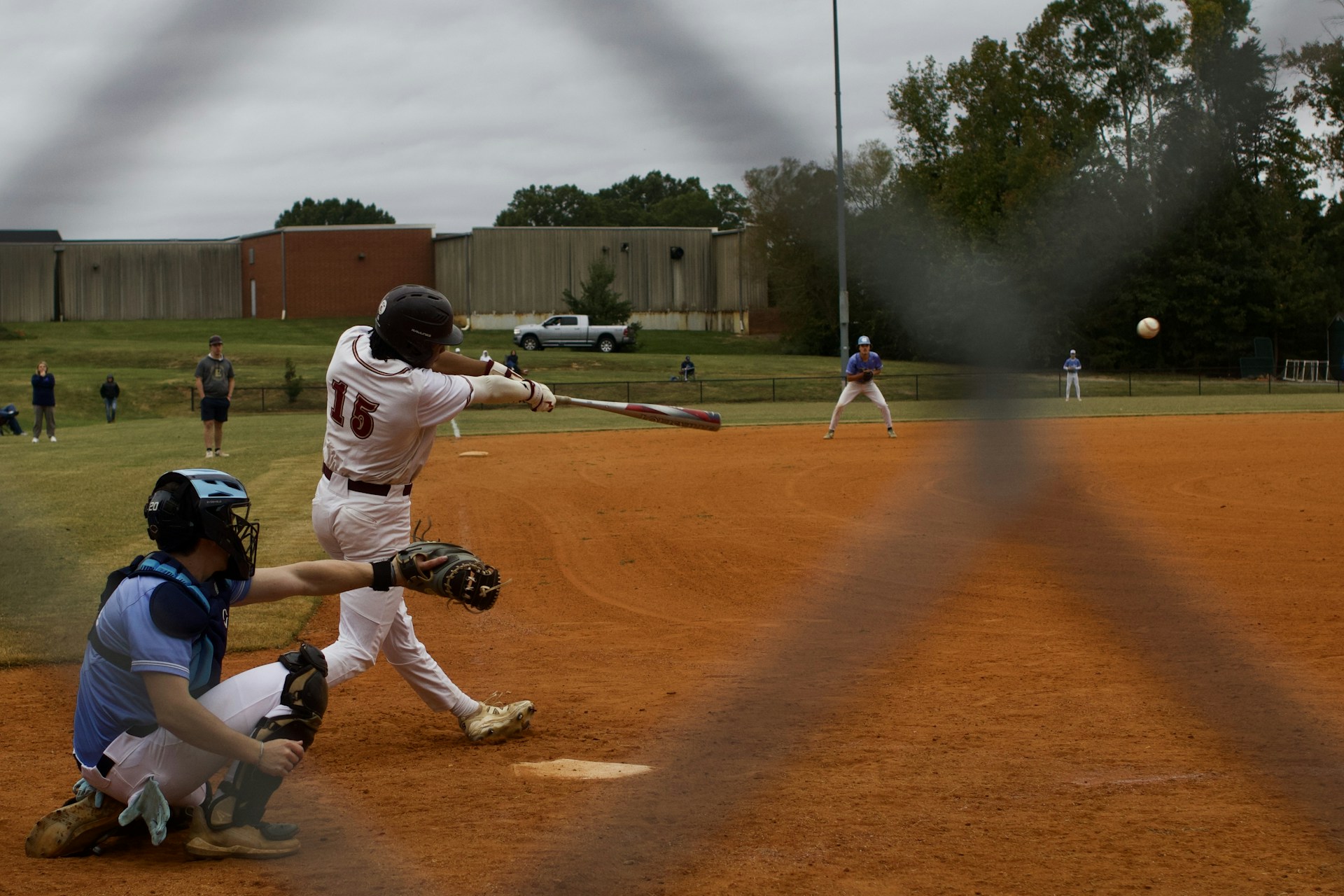
High school baseball tryouts are not a mystery, and they are not a lottery. Coaches in the CSRA — whether they are evaluating for North Augusta Yellow Jackets, Westside Patriots, Greenbrier Wolfpack, Aiken Thoroughbreds, or any other SCHSL or GHSA program — are looking for a short list of things they can see in a limited window. Players who understand that list prepare differently than players who show up hoping talent alone sorts it out.
This guide is for families with a player heading into middle school, ninth grade, or a roster battle as an upperclassman. It is also the post several of our other articles point to when the conversation turns from showcases and travel ball back to what actually matters at the high school level.
What High School Coaches Are Actually Evaluating
Most tryout days look similar: throwing, fielding, hitting, maybe a 60, maybe some game situations. What coaches are scoring underneath those stations is more specific.
Mechanics that hold up under pressure. A pretty batting-practice swing that falls apart with a live arm and an audience is not a varsity swing. Clean throws from the outfield that sail when the player rushes are not varsity throws. Coaches watch whether fundamentals survive stress.
Coachability in real time. Can the player take a cue and apply it on the next rep? Do they listen when the station coach talks, or do they perform for the radar gun and the parents on the fence? Coachability is visible in five minutes.
Baseball IQ and habits. Backing up bases. Knowing where the ball goes with runners on. Communicating on pop-ups. Resetting after a bad rep without a visible tantrum. These are Mind Game skills — and they separate rostered players from equally athletic kids who get cut.
Physical tools in context. Arm strength, bat speed, and foot speed matter. They matter less than families think when the player cannot field a routine ground ball or throw strikes in a controlled bullpen. Tools without reliability do not win roster spots on competitive CSRA programs.
If you want position-specific mental preparation, start with the Mind Game chapters that match your player's position — catcher, pitcher, middle infield, outfield, or hitter — on The Mind Game Framework page.
A 6–8 Week Preparation Timeline
Cramming the week before tryouts is how players arrive tight, tired, and mechanically inconsistent. Build a window.
Weeks 8–6: Baseline and fix one thing
Film a few swings, a few ground balls, and a few throws. Identify one primary mechanical issue with a qualified coach — not five issues from YouTube. Book individual lessons if you need eyes that know what SCHSL Region 5 and GHSA coaches in this area expect.
Work that one fix until it is automatic. Parallel work: light arm care, mobility, and conditioning that does not wreck the arm.
Weeks 5–3: Game-speed reps
Move from controlled drills to game-speed. Live BP or firm front toss. Ground balls with a clock in your head. Outfielders practicing crow hops under fatigue. Pitchers throwing to a catcher with a plan, not just warming up.
This is also when Saturday camps help — age-grouped, position-aware sessions beat another unstructured cage hour.
Weeks 2–1: Simulate the day
Run a mock tryout: short warm-up, timed throws, a fielding circuit, a hitting round, a cool-down. Practice the logistics — water, gear, arrival time, how you introduce yourself to a coach. Sleep and nutrition matter more than an extra late-night BP session. See our nutrition guide if tournament weekends have been chaotic.
Tryout week: Trust the work
Do not overhaul the swing three days out. Stay sharp, stay loose, and protect the arm. Players who peek at other kids' radar readings or compare batting practice exit velo during warm-ups are already distracted.
Position Notes for CSRA Tryouts
Pitchers: Command and a clean delivery beat max effort. Arm care history matters to smart coaches. See pitching lessons in Augusta, North Augusta, Evans, or Aiken if that is the gap.
Hitters: Two-strike approach and zone discipline show up immediately. Hard contact to the big part of the field beats swinging for the fence in a tryout cage. Specialty pages: hitting lessons Augusta, North Augusta, Evans, Aiken.
Catchers and infielders: Soft hands, footwork, and communication. Loud, correct communication is free and rare.
Outfielders: First step, routes, and throws that stay online. A strong arm that sails is a liability.
What Parents Should Do — and Not Do
Help with logistics, sleep, and emotional regulation. Do not coach from the fence during stations. Do not negotiate with the coaching staff in the parking lot after cuts. Do not turn one tryout into a referendum on your child's worth as a person or a player.
If the result is a cut or JV, read what to do after not making a travel team — the response framework is the same. Development continues either way.
How This Connects to Showcases and Travel Ball
Showcases measure tools in a vacuum. High school tryouts measure whether you can help a specific program win in a specific region. Prepare for the tryout that decides your spring, then use showcase guidance only when it serves a clear recruiting or evaluation purpose.
For families still choosing how to train leading into the high school years, how to choose a baseball academy and whether private lessons are worth it are the decision posts to read next.
Frequently Asked Questions
When do high school baseball tryouts usually happen in the CSRA? Timing varies by school and classification, but many programs evaluate in late winter or early spring before the season, with some holding earlier looks. Confirm dates with the specific school — NAHS, Fox Creek, Westside, Greenbrier, Aiken, South Aiken, and others publish their own calendars.
Should my player quit travel ball to prepare for high school tryouts? Not automatically. If travel is leaving them exhausted or undertrained on fundamentals, reduce load and add intentional lessons. If travel is structured and developmental, it can support tryout readiness. Quality of training beats volume of tournaments.
What if my player is a late bloomer? Late bloomers who show coachability, reliable defense, and improving mechanics still make rosters every year. Panic velocity programs and radical swing changes six weeks out usually hurt more than they help.
How can MGBA help before tryouts? Book a lesson with an MGBA-approved coach matched to your community, or browse the coaches directory. City starting points: North Augusta, Aiken, Evans, and Augusta.
About the author
Related posts