
Fielding Lessons in Augusta and North Augusta: What Real Infield and Outfield Instruction Looks Like
Kenny Flermoen · Founder & Academy Director, Mind Game Baseball Academy · 7 min read
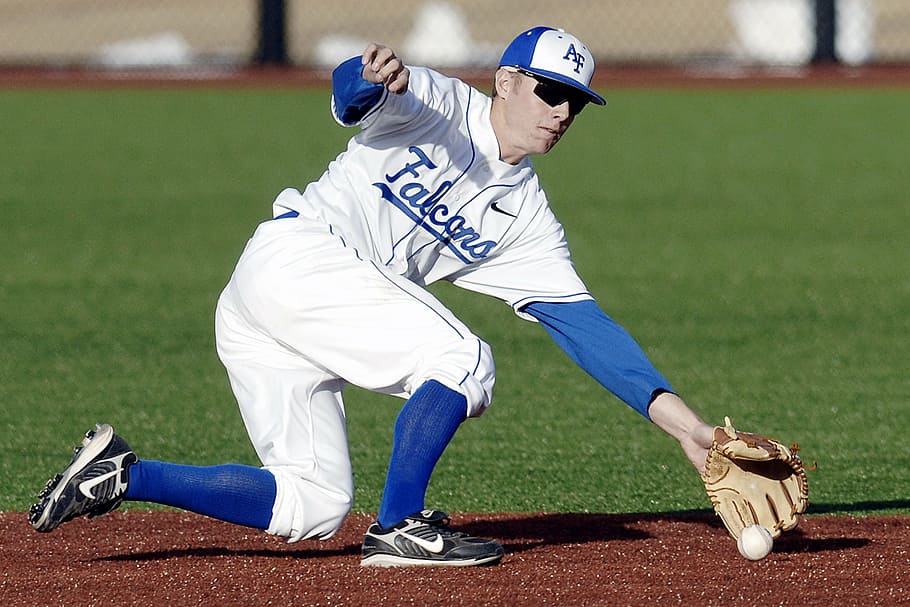
Hitting lessons get most of the search traffic. Pitching lessons get most of the anxiety. Fielding lessons are the quiet gap in the Augusta and North Augusta market, and that gap shows up every weekend when a routine ground ball becomes a big inning.
If you are looking for fielding lessons in Augusta GA or North Augusta SC, you are usually trying to solve one of three problems: soft hands that disappear under pressure, footwork that arrives late to the ball, or a player who can catch fungoes in practice and still boot the play that matters in the third inning. This post covers what real defensive instruction includes, what to avoid, and how CSRA families should evaluate infield and outfield coaching.
Why Fielding Gets Undercoached
Defense is harder to package than hitting. A cage makes hitting lessons easy to sell. A mound makes pitching lessons feel urgent. Fielding requires space, tennis balls or dimple balls, angled feeds, game-speed hops, and a coach who can recreate pressure without turning the hour into lazy fungo theater.
Because of that, a lot of "fielding work" in the CSRA becomes volume without teaching: roll ground balls, count catches, send them home. Reps matter. Reps without a priority do not fix the thing that is failing in games.
Quality fielding lessons treat defense as a taught skill with mechanics, decision-making, and pre-pitch process. That last piece is where The Mind Game Framework connects directly to glove work.
What Quality Fielding Lessons Should Include
A position-specific plan
"Infield lessons" is not specific enough. A shortstop's pre-pitch checklist is not a first baseman's. A center fielder's first step problem is not a corner outfielder's wall-read problem. Good defensive instruction names the position, the failure point, and the correction.
If your player is bouncing around the diamond, the coach should still prioritize the positions he actually plays in games, then build transferable glove and footwork patterns underneath.
Footwork before flash
Most youth fielding errors that look like "soft hands" problems start with feet. Late arrival creates bad hops. Bad hops create panic glove work. Panic glove work creates the highlight-reel miss parents remember.
A real fielding lesson spends serious time on routes, angles, crow hops, double play feeds, and first-step direction. Hands get cleaned up after the body is on time.
Decision-making under a clock
Defense is not only catching the ball. It is knowing where the play is before the ball is hit, then choosing the right throw after securing it. That is why our position chapters exist: shortstop, second base, third base, center field, and corner outfield. Fielding lessons should borrow that language, not ignore it.
Transfer and throw quality
A clean catch with a late or offline throw is still a failed play. Instruction should include exchanges, grip consistency, and throw decisions by situation: when to eat it, when to go to the shortest out, when a hero throw creates more damage than it prevents.
Homework that fits a driveway or cage
Not every family has an infield. Good coaches assign work players can actually do: short hops off a wall, triangle footwork patterns, tennis-ball barehand reads, outfield drop-step drills in a yard. If the only prescription is "get more ground balls," there is no plan.
Infield vs Outfield Lessons in the CSRA
Infield focus areas we see most in Augusta and North Augusta
- First-step hesitation on balls to the glove side or backhand
- Sitting back on hops instead of working through the ball
- Double play panic: turning two when the play is one out
- Pop-up communication that never gets practiced at game speed
- Tag and toss accuracy around the bags
Outfield focus areas we see most
- Slow or false first step on balls over the head
- Late communication in the gaps
- Crow hop timing that kills throw carry
- Fear or fog near the fence
- Pre-pitch depth that never adjusts to hitter or count
Outfielders especially need Mind Game work because inactivity between chances creates drift. A lesson that only hits fly balls without training readiness between reps is incomplete.
How Fielding Lessons Fit With Hitting and Pitching Work
Most CSRA players do not need four separate lesson tracks at once. They need a priority.
If the player is giving away outs every weekend, defense may be the highest-ROI lesson block for a month even if the family searched for hitting first. If the glove is solid and the bat is the limiter, keep defensive maintenance lighter and put the budget into hitting lessons or pitching lessons.
Academy development works best when one coach or one staff can see the whole player and sequence those priorities. That is the difference between stacking random private hours and building a plan. Start on baseball in Augusta GA or baseball in North Augusta SC, then the supporting posts on lessons in Augusta and private baseball lessons in Augusta GA.
What to Ask Before You Book Fielding Lessons
- What position are we training for, and what is the first priority?
- How will you recreate game hops and pressure in this space?
- What decision-making gets coached, not just glove work?
- What should my player practice between sessions without a full field?
- How will we know in four weeks that defense improved in games, not just in lessons?
If those answers are crisp, book. If they are mostly "we hit a lot of ground balls," keep looking.
Where MGBA Runs Defensive Instruction
Mind Game Baseball Academy coaches fielding as a taught skill inside the same standard we use for hitting and pitching: evaluation, plan, progression, homework, and mental process. We work with Augusta GA and North Augusta SC families, plus Evans, Martinez, Aiken, and the rest of the CSRA.
Browse lessons, register your player, or start with a defensive evaluation if glove work is the weekend problem you keep rewatching on the drive home.
Frequently Asked Questions
Do fielding lessons help if my player already takes infield at team practice? Yes, when team practice is volume and the lesson is correction. Team infield is rarely individualized enough to rebuild footwork or decision patterns.
At what age should kids start private fielding lessons? Basic glove and footwork habits can be coached early, but structured private defensive lessons usually pay off most from about ages 8 or 9 upward, when players can apply cues and understand situations.
Should infielders and outfielders take different lessons? Yes. Shared athletic patterns exist, but routes, pre-pitch checklists, and throw decisions are position-specific.
Can fielding improve without lessons? Some players improve through smart team coaching and deliberate home work. Lessons accelerate the players whose errors are stuck because nobody has diagnosed the real cause.
Is North Augusta or Augusta better for fielding instruction? Neither city is automatically better. Coach quality and plan quality matter more than the side of the river. Start on baseball in North Augusta SC or baseball in Augusta GA. MGBA serves both.
Kenny Flermoen is the Founder and Academy Director of Mind Game Baseball Academy, based in North Augusta, SC. He brings 21+ years of coaching experience from tee-ball through Division I, a B.S. in Sports Management, and a Master's degree in Coaching and Athletic Administration from Concordia University-Irvine.
About the author

Related posts