
The Third Baseman's Mind Game: Reaction, the Bunt Game, and Owning the Hot Corner
Kenny Flermoen · Founder & Academy Director, Mind Game Baseball Academy · 15 min read
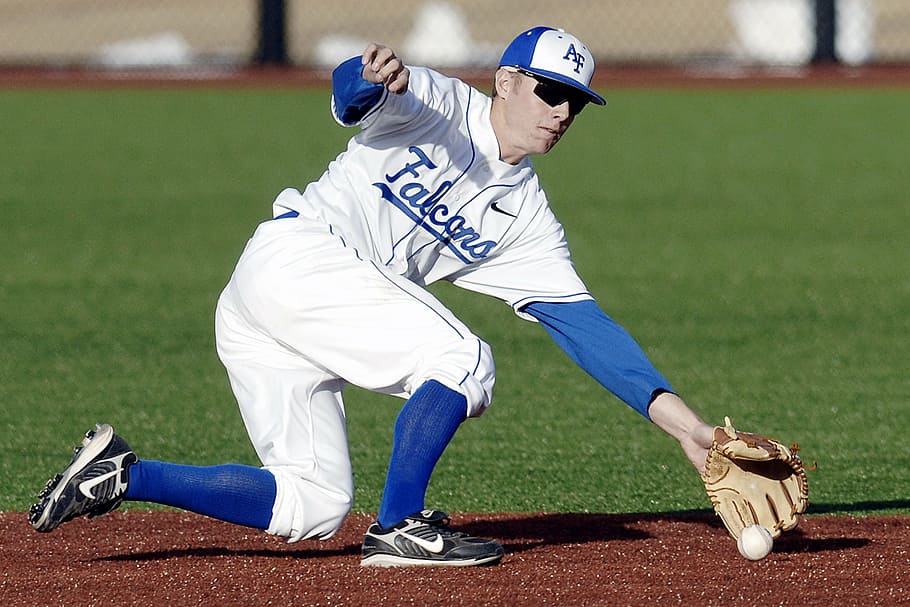
In the hitter's chapter, I wrote about the at-bat as a sequence of decisions that starts before the first pitch. This chapter is about the position where that same principle applies under the most compressed timeline on the infield.
Third base is called the hot corner for a reason. A hard-hit ground ball or line drive from a right-handed pull hitter reaches third base faster than it reaches any other infield position. The reaction window is the smallest on the field. The margin for mental error, standing flat-footed, being caught by surprise, not having processed the situation before the pitch, is the smallest on the field.
And yet third base is also the position with some of the most complex pre-pitch decision making in the infield. The bunt game lives here. The third base line is defended from here. The tag on a rundown, the force at third, the relay from the left field corner, the throw to first on a slow roller, all of these are third base plays, and all of them require a player who has already thought through the situation before the ball is ever hit.
That combination, a compressed reaction window and a high pre-pitch decision load, is what makes the third baseman's Mind Game one of the most specific and most undercoached in youth baseball.
The Reaction Problem
A ball hit hard off the bat of a right-handed pull hitter is traveling toward third base at 90 to 100 feet per second at the competitive youth level and faster as players get older. The distance from home plate to third base is 90 feet. That means a third baseman has roughly one second or less from the moment of contact to read the ball, move to it, field it, and begin the transfer to throw.
There is no time to think during that second. Every decision that requires thinking has to happen before the pitch.
This is the core truth of the third baseman's Mind Game, and it is the one that most directly explains why mental preparation at this position is not optional. A third baseman who has not processed the situation, the count, the outs, the runners, the hitter's tendency, before the pitch is thrown is a third baseman who is starting from zero when the ball is already off the bat. That is not recoverable in one second.
A third baseman who has processed all of it before the pitch does not need to think during that second. They react, because the decision was already made.
The Pre-Pitch Checklist at Third Base
We established the full pre-pitch framework in The Mind Game situational chapter and built on it specifically for the shortstop in that chapter. At third base, the checklist has its own specific content.
The count. At third base, the count determines depth more than almost anything else. On an 0-2 count where the pitcher is likely to throw something off the zone, the third baseman can play slightly deeper because the hitter is less likely to drive the ball. On a 3-1 count where the pitcher is coming with a fastball over the plate, the third baseman needs to be in a position to react to a hard-hit ball, which may mean playing at standard depth or even a step in depending on the hitter.
The bunt situation. Any time a runner is on first or second with less than two outs and a hitter who has shown the ability or inclination to bunt, the third baseman needs to have already decided how aggressively they are going to crash toward the plate. This decision happens before the pitch, not when the batter squares around. A third baseman who waits to see the bunt before deciding to crash is already too late on most bunts. A third baseman who has pre-decided based on the situation and the hitter is already moving.
The pull hitter vs. the opposite field hitter. A confirmed right-handed pull hitter should push the third baseman one to two steps toward the line. A left-handed pull hitter should push them toward the hole between third and short. These are small adjustments that happen before the pitch and significantly expand the range of balls a third baseman can reach without having to make a diving play.
Where the throw is going. Just as with the shortstop, the third baseman should know where the throw is going before the ball is hit. On a ground ball with a runner on first and one out, is the play at second for the double play, or is it a straight throw to first? On a slow roller with a runner on third and less than two outs, is there a play at the plate or is it first base? These decisions made before the pitch are the difference between a confident, decisive throw and a hesitant one that costs an out.
The Bunt Game
Of all the specific responsibilities at third base, the bunt game is the one most requiring deliberate mental preparation and the one least often coached directly at the youth level.
A bunt is not a surprise play in most situations where it occurs. The game situation almost always telegraphs it: runner on first or second, early in the count, a hitter who is not a power threat, a game situation where advancing the runner matters more than swinging away. A third baseman who understands the game situation before the pitch will rarely be genuinely surprised by a bunt attempt. They have already thought through whether this situation is a bunt situation, and if it is, they are ready.
What pre-pitch bunt preparation actually looks like at third base:
Before the pitch in a potential bunt situation, the third baseman should have already answered three questions. First: is this a bunt situation based on the count, the runners, and the hitter? Second: if the batter squares, how quickly am I crashing and from what depth? Third: if the ball is bunted toward me, where is the throw going based on the position of the runners when I field it?
That third question is the one most youth third basemen have never been asked, and it is the one that produces the most errors in bunt defense. A third baseman who crashes, fields the bunt cleanly, and then pauses to figure out where to throw has already given up the out on a well-executed bunt. A third baseman who crashes, fields it, and fires to a predetermined target because they decided before the pitch is making an athletic play instead of a mental error.
I teach third basemen to verbalize the bunt plan before every pitch in a potential bunt situation, first in practice and then automatically in games. "Bunt situation, I'm crashing hard, throw to second if I have time, first if I don't." That sentence, said internally before every pitch in the right situations, is the difference between a third baseman who defends the bunt and one who is always a half second behind it.
The Slow Roller and the Throw to First
The throw to first base from third is the longest throw in the infield. The distance from third base to first is roughly 127 feet, and on a slow roller where the third baseman is charging hard, that throw is being made from an off-balance, forward-momentum body position, often on the run, to a first baseman who is stretched as far as they can reach.
This is the throw that produces more errors at third base than any other, and it produces those errors primarily because of footwork and mental rushing, not arm strength.
The Mind Game component of this throw is simple but critical: the third baseman has to commit to the throw before they field the ball. Not after, not during the transfer. Before. A player who fields a slow roller and then decides whether to throw is a player who rushes the throw because they feel the runner gaining on the play. A player who has already decided while charging the ball whether this throw is makeable arrives at the ball ready to execute rather than ready to decide.
The decision framework I teach for the slow roller throw: if you can field the ball cleanly and make the throw while the runner is still 20 or more feet from first, make the throw. If the runner is going to beat a throw from where you are fielding the ball, eat it. A bad throw that pulls the first baseman off the bag, a wild throw that goes into the dugout, is almost always worse than a single. The third baseman's ego about making the throw has to be subordinate to their judgment about whether the throw will be accurate under real game conditions.
This is the same concept I introduced in the shortstop chapter, and it applies here with even more force because the throw is longer and the off-balance body position is more common.
Owning the Third Base Line
The third base line is the third baseman's responsibility from the moment they set their feet before each pitch. Every ball hit down that line, fair or foul, belongs to the third baseman unless they call off a fielder or are clearly out of position.
In youth baseball, two specific situations involving the line are almost never coached and produce errors regularly.
The slow foul ball drifting toward the stands. A third baseman who has not thought about the out situation before the pitch will often hesitate on a foul ball drifting toward the stands or the dugout, because they are not sure whether the out is worth the risk of a collision. That hesitation is the error. With two outs, you go get every catchable foul ball regardless of where it is drifting. With fewer than two outs and a runner on third who would score on a sacrifice fly, you might let a shallow foul ball drop to preserve the out. That decision has to be made before the ball is in the air, based on the situation already processed before the pitch.
The hard line drive down the line. A third baseman who is shading toward the hole on a confirmed pull hitter and gets a line drive down the line has given up a certain double or triple because their positioning was wrong. Positioning decisions that involve the line have to account for the line. Playing the percentages on a pull hitter does not mean leaving the line completely unprotected. It means finding the right balance between shading toward the hole and maintaining coverage of balls hit sharply down the line, and that balance is different for every hitter and every count.
The Mental Recovery After an Error at Third Base
Third base produces hard errors, the kind that are loud, visible, and sometimes painful. A ball that takes a bad hop and catches a third baseman in the chest. A slow roller that gets to the throwing hand awkwardly. A throw to first that sails on an off-balance delivery. These are real plays that happen to every third baseman at every level of the game.
We covered the full mental recovery framework in the mental game chapter. At third base specifically, the recovery has to be faster than at almost any other position because the next hard-hit ball might be coming in the same inning, sometimes the same at-bat.
A third baseman who is still thinking about the last error when the next pitch is thrown is a third baseman who is going to compound it. The physical reset between pitches that we teach across all positions, the same routine every time, the brief acknowledgment followed by a forward focus, is not optional at third base. It is a survival skill for a position that will test a player's mental recovery more than almost anywhere else on the field.
Coaching the Third Baseman's Mind Game by Age
Ages 9 to 11: Situation First, Reaction Second
At this age, the goal is building two habits simultaneously: knowing the situation before the pitch and being in an athletic ready position as the pitch is delivered. Not the full pre-pitch checklist and not the bunt game. Know the outs. Know who is on. Be ready to move. Those two habits established at this age give the more complex Mind Game content somewhere to attach when the player is ready for it.
Ages 12 to 14: Add the Bunt Game and the Slow Roller Decision
This is the window to introduce the bunt pre-pitch verbalization and the throw decision framework on slow rollers. Players at this age are facing situations where bunts are real tactical plays and slow rollers are real competitive throws, and they have enough body awareness to apply the decision-making concepts in real time. Make the bunt plan a requirement before every pitch in practice situations that call for it.
Ages 15 and Up: Line Management, Positioning by Count, and Aggressive Recovery
At this level, a third baseman should be managing depth and shade by count and hitter automatically, owning the line decision on foul balls before the ball is in the air, and recovering from errors with the speed and composure of a player who has been through it before. This is also the age where the throw decision on slow rollers becomes a real competitive differentiator, because at 15 and up the throws that sail produce real damage and the throws that are held are the plays that preserve innings.
The Position That Rewards Preparation Most
Here is the honest summary of the third baseman's Mind Game. Because the reaction window is so compressed and the situations are so specific, third base is the position where mental preparation produces the highest return of any spot on the infield.
A shortstop with average athleticism and an excellent Mind Game can make up for some of the athletic deficit through positioning and anticipation. A third baseman with average athleticism and an excellent Mind Game can do the same, and at third base, where the ball arrives faster than anywhere else, the half step gained through pre-pitch preparation is worth more than at any other position.
That is The Mind Game at the hot corner. Preparation that converts reaction into anticipation. A bunt plan that is already executed before the batter squares. A throw decision that is made before the ball is fielded. A recovery that is complete before the next pitch is delivered.
The next chapter moves to the outfield, starting with the position that carries the most organizational responsibility in the grass: center field.
Register your player or book a defensive skills evaluation to see what coaching the full Mind Game at third base actually looks like.
Frequently Asked Questions
Why is third base called the hot corner? Because hard-hit balls from right-handed pull hitters reach third base faster than any other infield position, giving the third baseman the least reaction time on the infield. A well-struck ground ball or line drive from a pull hitter can travel the 90 feet from home plate to third base in under one second, which is why mental preparation before the pitch is more critical at third base than anywhere else in the infield.
What should a third baseman be thinking about before every pitch? At minimum: the count, the outs, the runners, whether this is a bunt situation, how deep to play for this hitter, and where the throw is going if the ball is hit to them. In a confirmed bunt situation, the third baseman should have verbalized their crash plan and their throw destination before the pitcher delivers.
How do you coach a youth third baseman to defend the bunt? Require them to verbalize the bunt plan before every pitch in a potential bunt situation in practice: whether they are crashing, how aggressively, and where the throw is going. Running this in every practice rep that involves a bunt situation builds the habit until it is automatic under game pressure. A third baseman who has already decided before the pitch is not surprised by the bunt. They are executing a plan.
When should a third baseman throw to first on a slow roller versus eating the ball? Throw if the runner is at least 20 feet from first base when the ball is fielded cleanly and the body position allows for an accurate throw. Eat it if the runner is going to beat the throw or if the body position at the moment of fielding makes an accurate throw unlikely. The error of throwing when the play is not there is almost always worse than the single that results from holding the ball. This decision should be made while charging the ball, not after fielding it.
How should a third baseman recover mentally after making an error? The same way every position recovers: a brief physical reset using the same routine every time, a forward focus on the next pitch, and no visible carrying of the mistake into the rest of the inning. At third base specifically, the recovery has to be fast because another hard-hit ball can arrive in the same inning. A third baseman who is still thinking about the last error when the next pitch is delivered is setting up the next one.
Kenny Flermoen is the Founder and Academy Director of Mind Game Baseball Academy, based in North Augusta, SC. He brings 21+ years of coaching experience from tee-ball through Division I, a B.S. in Sports Management, and a Master's degree in Coaching and Athletic Administration from Concordia University-Irvine.
About the author

Related posts